 English
 中文 (中国)
 Bahasa Melayu
In-Vitro Bioassays
In-vitro bioassays are instrumental in assessing the efficacy of a substance on living cells or tissues. Our team of experts offers comprehensive services aimed at enhancing understanding of biological mechanisms, advancing drug development, conducting disease research, performing mechanistic studies, and conducting thorough toxicity assessments. Our range of services encompasses:
- Phytochemical Quantification (Total Phenolic Content (TPC), Total Flavonoid Content (TFC))
- Antioxidant Assays (DPPH, Ferric Reducing Antioxidant Power (FRAP) Assay)
- Enzymatic Assays (Alpha-Amylase Inhibition, Alpha-Glucosidase Inhibition)
- Anti-cholesterol Assay

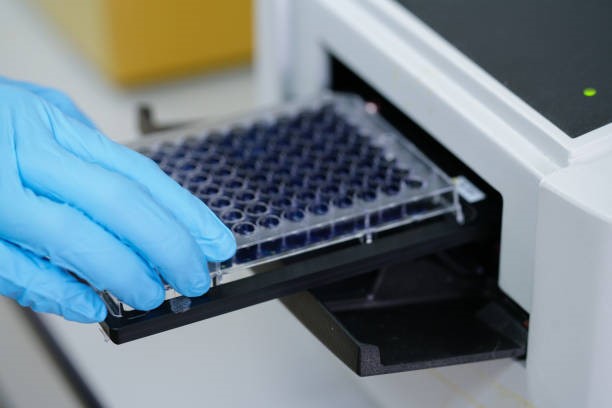
Phytochemical Quantification Assays
As they aid in understanding their potential health benefits and biological activities, TPC and TFC assessments are frequently used in research on plant-based foods, herbal remedies, and natural goods.
These experimental methods provide quantitative assessments of the phenolic and flavonoid content in various samples, allowing researchers to compare different sources of natural compounds and evaluate their potential health benefits.
Antioxidant Assays
Antioxidants are compounds that can neutralize or reduce the harmful effects of free radicals in the body. Free radicals are highly reactive molecules that can cause oxidative damage to cells and tissues, leading to various health issues.
These assays can evaluate the potential health advantages and oxidative stress-fighting abilities of substances and natural extracts by understanding antioxidant activity.
Enzymatic Assays
Enzymatic assays play a crucial role in advancing our understanding of enzyme function and regulation, contributing to fields such as drug development, biotechnology, and medical research. This can help in diagnosing certain diseases where enzyme activity is affected.
Anti-Cholesterol Assay
Anti-cholesterol helps to measure the substance in the sample that can be used for reducing cholesterol levels in the body. Thus, this assay plays a crucial role in advancing medical knowledge, improving treatment options, and promoting heart health on both individual and population levels. By understanding how to effectively manage cholesterol levels, researchers can contribute to reducing the burden of cardiovascular diseases and improving the overall well-being of people worldwide.